Dreaming of waking up in a safari tent or geodesic dome surrounded by Portuguese vineyards, olive groves or pine forest, but worried the price tag will wreck your travel budget? You are not alone. Glamping has a reputation for being expensive, and in the wrong place at the wrong time it can be. The good news is that a budget glamping trip in Portugal is entirely possible, and it does not mean sleeping in a leaky tent or skipping the good stuff.
This guide walks you through everything you need to plan it right: what a night in a budget tent or dome actually costs, which seasons stretch your money furthest, which regions offer the best value away from the Algarve crowds, and the booking strategies, transport choices and packing habits that keep your total spend low. By the end, you will have a clear, realistic plan for glamping in Portugal without overpaying for it.
What a Budget Glamping Trip in Portugal Really Costs
Let’s start with the numbers, because they are friendlier than most people expect. In shoulder season, budget glamping tents and domes in Portugal typically run €50-90 per night. That is often less than a mid-range hotel room, and you get a proper bed, a deck and usually a view thrown in. During peak summer, the same units often climb to €100-160 per night, so timing matters as much as location.
Before you celebrate, budget for the extras that don’t show up in the headline rate. Cleaning fees, refundable deposits and per-person charges are common at Portuguese glamping sites, and together they can add €20-50 per booking. A site that looks like a bargain at €60 a night can quietly become €80 a night once these are included, so always read the price breakdown before you commit.
What a 4-night stay actually costs
Here’s how the math plays out for the same tent over a 4-night stay. In May, at €50-90 per night, you are looking at roughly €200-360 for the nights, plus those hidden extras. In July, at €100-160 per night, the same stay runs €400-640 before fees. That is a difference of around €200 or more for the identical accommodation, simply for shifting your dates. For a couple traveling on a budget, that saving can cover a rental car for several days or a string of self-catered dinners. Check the current fees on any site you book, since they change from year to year.
When to Go: Seasons That Stretch Your Budget
If you want the sweet spot for price and comfort, aim for April-May or September-October. Rates in these shoulder-season months sit at their most reasonable, and the weather cooperates too. Spring brings wildflowers, green hills and warm afternoons, while early autumn offers warm seas, harvest season and thinner crowds. You get the outdoor lifestyle glamping is built around, without paying summer premiums for it.
Why summer costs you twice
Between June and August, nightly rates for the same units often rise noticeably, and coastal sites are the first to fill up. Portuguese families and European travelers descend on the shoreline in summer, so the most scenic beachside glamping spots book out fastest. If your heart is set on a coastal site in July or August, expect to pay peak rates and reserve well ahead, or accept that inland sites will give you far better value for the same dates.
Winter is the cheapest window of all, but it comes with a catch. Between November and March, many Portuguese glamping sites close entirely or scale back their facilities, so pools, restaurants and reception hours may be limited or unavailable. If you are considering an off-season stay, contact the site directly to confirm it is open and to find out exactly what will be running. A bargain night means little if the shower block is shut.
One more reason to favor the shoulder months: availability. Outside the summer rush, you can often be flexible with dates, choose the best-positioned tent or dome on site, and sometimes negotiate for longer stays. In peak season, you take what is left, at whatever price is left. If your schedule allows it, traveling in late spring or early autumn simply gives you more choice for your money.
Where to Glamp Cheaply: Regions Beyond the Hotspots
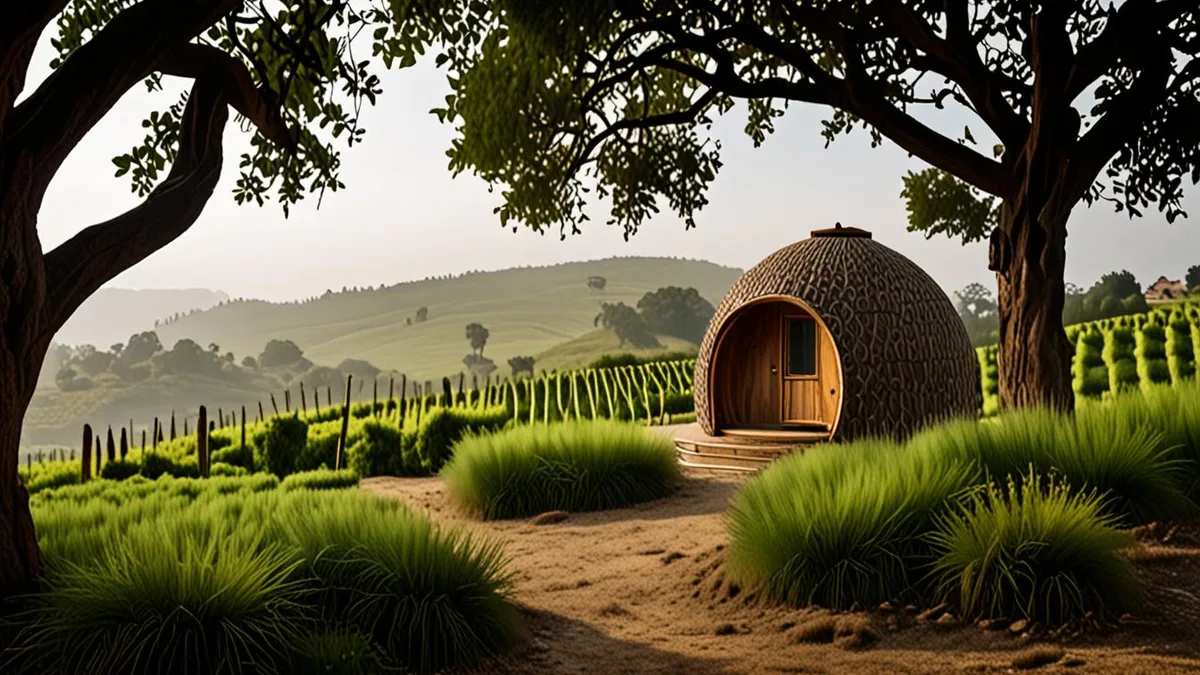
The fastest way to overpay for glamping in Portugal is to search only along the Algarve and the Lisbon coast. These are the most famous stretches of coastline, and their rates reflect it. Head inland and the picture changes quickly. The Alentejo, with its rolling plains, cork oak forests and whitewashed villages, and central Portugal, with its river valleys and stone villages, both offer noticeably lower nightly rates for similar quality tents and domes.
The Douro valley and the northern vineyard country deserve a spot on your shortlist too. Terraced vineyards, river viewpoints and wine estates make for some of the most scenic glamping backdrops in the country, and prices there tend to sit at mid-range levels rather than the top of the market. You trade beach access for landscapes and atmosphere, and many travelers find that a fair trade.
Use the 1-3 hour drive rule
Most glamping sites in Portugal sit 1-3 hours away from Lisbon and Porto airports by car, and distance works in your favor. The further a site is from the main airports and tourist corridors, the less you will typically pay per night. When comparing options, keep this pattern in mind:
- Alentejo plains: sites here often sit well off the main tourist routes, so you can find budget tents and domes with wide-open skies and dark night skies for stargazing, a rarity on the crowded coast.
- Central Portugal’s river country: areas around the region’s river valleys and schist villages offer forest settings and walking trails, and sites there often include extras like fire pits or wood-fired ovens at no additional charge.
- Douro valley terraces: some vineyard sites let you walk to or arrange tastings at nearby wine estates, turning your accommodation into a built-in activity and saving on day-trip costs.
If you want a compromise between value and city access, it is possible to find well-priced sites within easy reach of the capital; one option is to look at glamping retreats surrounded by flower fields near Lisbon, which show how close-to-the-city stays can still feel like a world away.
Booking Strategies That Save the Most
Glamping in Portugal is one of those trips where timing your booking matters almost as much as picking the site itself. The same tent or dome can swing dramatically in price between seasons, so a few smart habits go a long way. The good news is that none of these tactics require much effort — they just require planning slightly earlier than most travelers do. Here’s how to squeeze the most value out of every night.
- Book 2-3 months ahead. This lead time is the sweet spot for securing shoulder-season prices before operators raise them. Sites with a small number of units fill their cheapest options first, so early bookers get the lowest nightly rates while latecomers pay more for the exact same tent. Set a reminder on your calendar once you know your travel window, and check cancellation policies before you commit in case plans change.
- Ask about weekly-stay discounts. Many Portuguese glamping sites quietly offer 10-15% off for stays of a week or longer. It’s rarely advertised prominently on booking pages, so message the host directly before you book and simply mention your dates. A short email or WhatsApp message costs nothing and can trim a noticeable chunk off a longer trip.
- Travel midweek. Arriving on a Tuesday or Wednesday instead of Friday often cuts the nightly rate further, since weekend demand drives prices up even in quieter months. If your schedule allows a Monday-to-Friday stay, you’ll typically pay less per night than weekend-only travelers, and you’ll also share facilities like pools and BBQ areas with fewer people.
Stack these three tactics together and the savings compound quickly. If you’re weighing sites within reach of the capital, it can help to see what the landscape around Lisbon looks like first — this piece on glamping havens above the Lisbon valleys gives a good sense of the options. Then lock in your dates early and enjoy the extra euros saved for wine and pastries.
Getting There and Getting Around on a Budget
Portugal is compact enough that your choice of arrival airport shapes both your driving time and your budget. Lisbon and Porto are the two main hubs, and most glamping sites sit within a reasonable drive of one of them — but not always both. Before you book flights, check which hub is closer to your chosen region. Flying into the wrong one can add hours of driving, extra fuel and a toll or two, which quietly erodes the savings you found on the nightly rate.
Renting a car without overpaying
A rental car is the most practical way to reach rural glamping sites, and outside peak summer it typically costs €25-45 per day. Book as early as you can, because rates tend to climb as availability shrinks — the same logic that applies to your tent or dome applies to the car. Compare a few rental companies rather than taking the first offer, and read what insurance is actually included so you’re not surprised at the counter. Also check whether the car has a full-to-full fuel policy, which is usually the cheapest way to run it.
Skipping the car for part of the journey
If your site sits near a regional town, you can often skip the rental entirely for the first leg. Trains and buses in Portugal connect most major cities with regional centers at modest fares, and a short taxi ride from the town to your site usually completes the trip. This hybrid approach works best for stays near the Douro valley rail line or larger Alentejo towns, where public transport is more reliable than in remote spots.
Check current timetables with the operator before you travel, since rural services can be limited on weekends and may not match your arrival time. Then weigh the trade-off honestly: you’ll save on the rental and parking, but you lose the freedom to stop at viewpoints, markets and vineyards along the way. For a short stay with plans to explore the region, the car usually earns its keep; for a longer, slower trip centered on one site, the hybrid route can be the smarter, cheaper choice.
Packing and On-Site Tips for Cheaper Days
What you pack and how you live on site can easily save you more than the booking discount itself. Shoulder-season nights in Portugal are the main surprise for first-timers: even in May, temperatures can drop below 10°C after dark, and a canvas tent or dome amplifies the chill. Layers are your friend, not bulky coats, because they take up less space and work better as the evening cools down. A pair of slip-on shoes for nighttime trips to the bathroom block also saves you from fumbling with laces in the dark.
Food is the other big lever. Restaurant meals three times a day will eat your budget fast, but glamping sites with kitchenettes or BBQ areas let you cook for roughly €10-15 per person per day. That difference adds up to a meaningful chunk of your trip cost over four or five nights. It also changes the rhythm of your stay: breakfast at your own pace, a packed lunch for the beach or trail, and one relaxed dinner out as a treat instead of a daily expense.
Before you leave, spend ten minutes planning meals around a few flexible ingredients like eggs, rice, seasonal vegetables and good bread. Portugal’s local produce is affordable and excellent, so simple meals rarely feel like a sacrifice.
- Pack a warm mid-layer and sleep socks. A fleece or wool sweater for evenings plus thick socks for inside the tent makes cool nights comfortable without needing the site’s heater (if there is one) running all night.
- Bring a soft cooler bag. It lets you stock up on cheese, fruit and cold drinks at a town market and keep them fresh for two or three days of self-catered lunches at your tent.
- Carry reusable water bottles. Portuguese tap water is generally safe to drink, so refilling instead of buying bottles saves money and cuts plastic waste on rural sites.
- Shop at local markets, not the site shop. Resort-style shops on glamping sites charge a premium for basics. A morning trip to the nearest municipal market gets you better produce at a fraction of the price.
A headlamp, a reusable shopping bag and basic spices in small containers round out the kit. None of it takes much luggage space, and all of it makes self-catering genuinely easy rather than a chore. If you are driving to the site, a small bottle of dish soap and a sponge are worth tossing in too, since communal kitchens do not always have them stocked.
Your Affordable Portugal Glamping Plan at a Glance
Glamping in Portugal doesn’t have to blow your budget. The winning formula is simple: travel in shoulder season, choose inland regions like the Alentejo or central Portugal over the coast, book 2-3 months ahead, and cook some of your own meals. Put together, those choices turn a splurge-worthy stay into an affordable one.
The headline numbers back it up. Expect around €50-90 per night for a budget tent or dome in shoulder season, roughly €25-45 per day for a rental car outside peak summer, and a 2-3 month booking window to lock in the best rates. Add weekly-stay discounts and market shopping, and a dreamy nights-under-the-stars trip fits comfortably within a modest budget. If this helped you plan your own trip, leave a comment or share the article with a fellow traveler.