Figuring out where to stay in Lisbon can feel surprisingly tricky. The city spreads across steep hills, each neighborhood with its own personality, price level and pace. A guesthouse in one district might cost half of a similar room a twenty-minute walk away, and the charming street you loved at noon can be a different story at midnight. Pick the wrong base and you spend your trip huffing uphill or paying tourist prices for dinner.
This guide breaks Lisbon down by budget and travel style. We cover the central, walkable streets of Baixa and Chiado, the atmospheric lanes of Alfama, the nightlife of Bairro Alto next to the calmer Príncipe Real, budget-friendly Graca and Mouraria, and the upscale stretch along Avenida da Liberdade. We also share when to book for the best rates, then pull everything together to help you choose. Wherever your budget lands, there is a neighborhood here that fits.
Baixa and Chiado: Central Convenience for Mid-Range Budgets
Baixa and Chiado are where most first-time visitors end up, and for good reason. After the 1755 earthquake, Baixa was rebuilt on a flat, logical grid, which makes it one of the easiest parts of Lisbon to walk. From a base here, you are typically within 1-2 km of major sights like Praça do Comércio, the Santa Justa Lift and the riverside, so you can sightsee all day without touching public transport. That convenience is ideal if you only have a couple of days.
Prices sit in the mid-range. A double room typically runs €90-160 per night, and expect to be nearer the top of that range in Chiado, where elegant older buildings and a slightly more refined atmosphere push rates up. Chiado also adds good cafes, bookshops and theaters within a few minutes’ walk.
What to expect
The trade-off is crowds. The streets right around Praça do Comércio draw heavy tourist traffic, and restaurants in that immediate area charge noticeably more than a few blocks away. Walk five to ten minutes inland and both the crowds and the menu prices ease off.
This area is the best fit for first-time visitors who want to walk everywhere, be close to major sights and don’t mind sharing the sidewalk with plenty of other travelers. If that sounds like your trip, Baixa and Chiado are hard to beat.
Alfama: Atmosphere and Character on a Moderate Budget
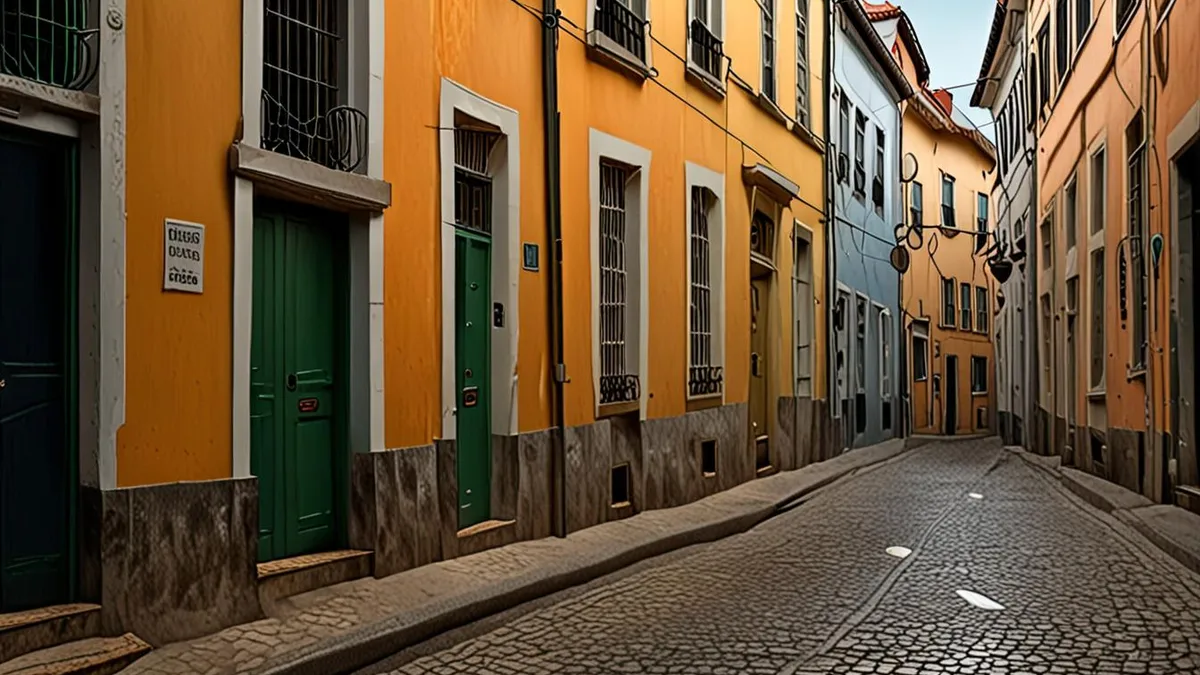
Alfama is Lisbon’s oldest district, and it feels like it in the best way. Instead of a grid, you get a tangle of narrow lanes, laundry strung between windows, small squares and miradouros, the viewpoint terraces that look out over the rooftops to the river. Despite being central, it keeps a quieter, residential feel, especially in the mornings when locals are out doing their shopping and the tourist crowds haven’t arrived yet.
For budget-conscious travelers, Alfama has a real advantage. Small guesthouses and boutique stays here often undercut Chiado prices while keeping you just as central. The district sits close enough to Baixa that you can reach the downtown sights on foot, though the route involves a slope or two, so allow a little extra time if you’re heading down for breakfast or back up for the night.
The catch: hills and transport
The terrain is the trade-off. Steep hills and staircases mean fewer metro stops nearby, so plan on walking or hopping on tram 28, which rattles up through the district on its scenic route. A day pass keeps transport costs low if you’d rather ride uphill and walk down. Wear comfortable shoes and pack light for this part of town, because dragging a large suitcase through Alfama’s lanes is no fun.
Alfama is the best fit for couples and slow travelers who value charm, atmosphere and local character over transport convenience. If your ideal evening is a glass of wine at a viewpoint rather than a quick metro ride, this is your neighborhood.
Bairro Alto and Príncipe Real: Nightlife Versus Leafy Calm
Bairro Alto and Príncipe Real sit side by side on the hill above Baixa, but they could not feel more different. Bairro Alto is Lisbon’s nightlife hub. By late evening its narrow streets fill with bars, and the noise carries on until the early hours. Light sleepers should look uphill to Príncipe Real instead, or bring earplugs and embrace the party.
Príncipe Real, one metro stop away, offers gardens, design shops and a calmer, residential vibe. It is the kind of neighborhood where you can work from a cafe in the morning, wander a concept store in the afternoon and still be in central Lisbon within minutes. Both areas sit within easy walking distance of Baixa, though the terrain is steeper than the flat downtown grid, so expect some climbing on the way home.
- Ask about room location in Bairro Alto: rooms facing the main bar streets hear the most noise, so request a rear-facing or upper-floor room when booking.
- Use the metro shortcut from Príncipe Real: the local station puts you downtown in minutes, which is handy for remote workers heading to meetings or coworking spaces.
- Look for apartments in Príncipe Real: the residential stock includes self-catering options, useful for families who want space and a kitchen.
- Time your evening in Bairro Alto: bars get going late, so dinner first and drinks after matches the local rhythm.
In short, choose Bairro Alto if you are a younger traveler who wants nightlife on the doorstep, and Príncipe Real if you are a family or remote worker after leafy calm with easy access to the center.
Budget Picks: Hostels and Guesthouses in Graca and Mouraria
If your goal is to spend your euros on pastries and fado nights instead of accommodation, Graca and Mouraria should be at the top of your list. These two neighborhoods sit just above Alfama on the hillside, which means you get sweeping views over the city and the river without paying for the address. Because they remain firmly residential, you’ll find local cafés, mini-markets and tasca restaurants charging local prices, with few of the tourist markups you’ll notice closer to the waterfront.
Dorm beds in hostels here typically cost roughly €20-35 per night in high season, and you can often shave a few euros off that by traveling in the shoulder months. For budget travelers staying a week or more, that difference adds up to another day or two in the city.
Private rooms that don’t break the bank
You don’t have to share a dorm to stay cheap here. Family-run guesthouses in Graca and Mouraria often rent simple private rooms for below €80 a night, even in summer. Expect basic furnishings, spotless tiled stairwells and hosts who treat you like a returning relative rather than a booking number.
The trade-off is the terrain. Like Alfama, these hills are steep, and metro access is limited, so plan on walking or hopping on tram 28 to reach the center. The payoff is authenticity: laundry lines over narrow lanes, grandmothers chatting on doorsteps and miradouros a short stroll away.
Graca and Mouraria are the best fit for backpackers and solo travelers who want a genuine slice of Lisbon life on a tight budget. If charm and low prices matter more to you than stepping out of a metro station onto your doorstep, this is your neighborhood.
Where to Stay in Lisbon for Upscale Comfort: Avenida da Liberdade and Beyond
When the occasion calls for something special, Avenida da Liberdade is where Lisbon shows off. This grand boulevard, with its wide tree-lined sidewalks and wrought-iron balconies, is lined with five-star and design hotels that put the rest of the city’s accommodation scene to shame in terms of polish and service.
Upscale rooms here usually start around €180-300 per night, and suites climb well above that, especially in the flagship properties. What you’re paying for is space, quiet and attention to detail: think spacious rooms, proper soundproofing, concierge desks and breakfasts that justify lingering.
Why the location works so well
Despite the sense of calm, you’re never far from the action. The avenue runs from just north of the historic center up toward Parque Eduardo VII, and a short metro ride or an easy downhill walk puts you in Baixa within minutes. The metro connects most central neighborhoods, and a day pass keeps transport costs low if you’d rather ride than walk.
The area is noticeably quieter than Baixa, both day and night. There are no bar crowds spilling onto the street, which makes a real difference if you’re a light sleeper who still wants to be central.
Avenida da Liberdade is the best fit for honeymoons, business trips and any traveler who prioritizes space and service over saving money. If you want a splurge night or two at the start or end of a longer, cheaper trip, this is the neighborhood to do it in.
When to Book: Seasons and Lead Times for the Best Rates
Lisbon’s accommodation prices move with the calendar more than most travelers expect. The same room can cost noticeably more in July than in October, and availability in the most popular neighborhoods tightens fast. Getting the timing right is the easiest way to keep your stay within budget, and it comes down to three simple steps.
- Know the seasons. High season runs from June to early September, when prices peak and the best rooms book out first. Shoulder season, in April-May and late September through October, brings milder weather and noticeably lower rates, so you can often enjoy the same neighborhoods for less.
- Match your booking window to the season. For high-season stays, book 2-3 months ahead to lock in a reasonable rate and have a real choice of neighborhoods. For shoulder season, booking 3-4 weeks ahead is typically enough to find good value without rushing your decision.
- Consider winter if price is your priority. Winter offers the year’s lowest prices, though some coastal-oriented stays reduce their services in the quieter months, so check what’s open before committing.
One last tip: whatever season you choose, check the cancellation terms before you book. Flexible rates cost slightly more, but they let you rebook if prices drop or your plans shift, which can save real money over a longer trip.
It also pays to think about how you’ll get around once you arrive. Tram 28 and the metro connect most central neighborhoods, and a day pass keeps transport costs low, so you don’t need to pay a premium to stay right in the middle of everything. If you’re set on a specific neighborhood, especially in the compact central areas, booking earlier is always safer than booking later.
Wrapping Up Your Lisbon Neighborhood Choice
Lisbon’s hills and patchwork of neighborhoods can make choosing a base feel overwhelming, but the decision gets simple once you match an area to your budget and style. Baixa and Chiado suit mid-range first-timers who want flat, walkable streets, while Alfama trades convenience for atmosphere. Graca and Mouraria deliver the lowest prices, and Avenida da Liberdade covers upscale stays. Night owls head to Bairro Alto; families and remote workers lean toward Principe Real.
Whichever area you pick, timing matters as much as location. Booking 2-3 months ahead for June-September keeps rates within the ranges covered above, while shoulder-season trips reward a shorter lead time with lower prices. Match the neighborhood to your travel style, book early for summer, and Lisbon works on almost any budget. If this guide helped you plan your stay, leave a comment or share it with a fellow traveler.