Planning a glamping stay in Canada sounds simple until you start comparing listings. Yurts, domes and canvas tents all promise a cozy night in nature, but they differ a lot in price, insulation and what season they actually suit. Picking the wrong one can mean shivering through a shoulder-season night or paying for features you never use.
This guide breaks the choice down into the three questions that matter most: how much each structure typically costs, when in the year it works best, and what level of comfort you can expect inside. We compare yurts, geodesic domes and canvas tents, look at where and when to book across the country, and help you match the stay type to your trip and budget. By the end, you should know exactly which structure fits your next Canadian adventure.
Why the Structure You Choose Shapes Your Glamping Stay in Canada
At first glance, yurts, domes and tents can look like variations on the same idea: a fabric shelter in a scenic spot. But the differences go far beyond looks. These three structures vary most in insulation, floor space and price, and those three factors decide whether your trip feels like a treat or a compromise.
A canvas tent that feels perfect on a warm July night in Ontario cottage country can be a miserable choice for a February weekend in the Rockies. Thin fabric offers little protection against deep cold, wind or damp shoulder-season weather. A yurt with wooden lattice walls or a dome with proper heating handles those conditions in a completely different way.
Three factors that separate the options
Before you book, it helps to judge each structure on the same three criteria. Cost tells you what you will pay per night and what that price typically includes. Season tells you which months the structure is genuinely comfortable in, not just technically open. Comfort covers heating, beds, floor space and whether you get your own bathroom or share a washhouse.
This guide walks through all three stay types using that framework, so you can compare them side by side instead of guessing from photos. The right answer depends on your budget, your destination and the time of year you plan to travel, and the sections below are organized to make that trade-off clear.
Yurts: Round, Sturdy and Budget-Friendly
Yurts are the dependable middle ground of Canadian glamping. Typical rates of CAD 100–250 per night put them above a basic tent site but well below most premium domes, which makes them the mid-price workhorse of the glamping world. For that price you usually get far more shelter than canvas can offer.
The reason is the construction. A traditional yurt uses wooden lattice walls, tension cables and a solid roof structure, so it handles wind and shoulder-season chill much better than a fabric tent. While you would not confuse a yurt with a heated hotel room, the difference on a cool, breezy night in May or September is easy to feel.
Where you will find them
Yurts are common in provincial parks across Ontario, BC and the Prairies, where parks agencies use them as a step up from tent camping. A typical park yurt sleeps several people on bunks and often includes a small stove for heating, which extends the comfortable season well beyond what a canvas tent can manage. Some private operators offer upgraded versions with more furniture and better finishes, usually at the top of the price range.
One thing to check before booking is the bathroom situation. Expect shared washrooms in many park yurts, especially in provincial campgrounds where yurts sit in a loop with regular campsites. Private washrooms do exist, but they generally cost more, so if that matters to your group, filter for it early rather than discovering it at check-in. For families and small groups, splitting the cost of one or two yurts often delivers solid shelter and heating at a price that is hard to beat.
Geodesic Domes: The Premium Comfort Pick
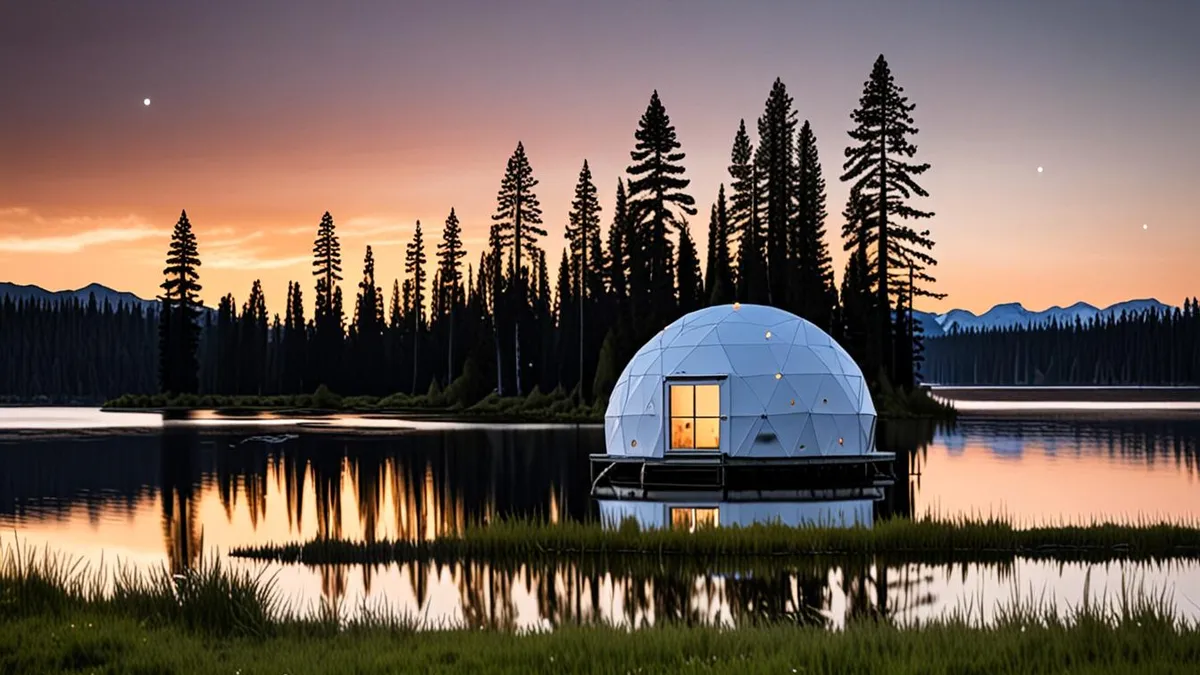
If comfort is your priority, geodesic domes sit at the top of the glamping range. Typical rates of CAD 150–400 per night reflect what is inside: heating, real beds and, in many units, panoramic windows that turn the landscape into part of the room. You pay more than for a yurt or tent, but you get a level of comfort that feels closer to a small cabin than a campsite.
Those clear panels are the reason domes dominate one particular type of trip. From December to March in BC and Yukon, domes are the top choice for aurora watching and stargazing, because you can lie in a warm bed and watch the sky through the window instead of standing outside in the cold. Winter domes in the Rockies and BC are built for exactly this use, with heating that keeps the interior comfortable even on the coldest nights.
Privacy and timing your booking
Unlike most tent sites, domes are usually standalone units with private bathrooms. That privacy is a big part of what you are paying for, and it makes domes a popular pick for couples celebrating something or travelers who want the outdoors without queueing for a washhouse in the morning.
The smart way to reduce the cost is to travel in the shoulder months. Late May and late September tend to be when rates dip, while the weather in most of Canada is still reliable enough to enjoy the view. You keep the heating, the bed and the windows, and you avoid peak-season pricing. If a dome trip is on your list, compare a few dates in those shoulder weeks before committing to midsummer, and check exactly what each operator includes, since heating and linens can vary between listings.
Canvas Tents: The Cheapest Way In
If your budget is the deciding factor, a canvas tent is usually the easiest way to try glamping without a big commitment. Rates typically run CAD 80–180 per night, which puts them below most yurts and domes in the same area. For the price of one night in a dome, you can often book two or three nights under canvas.
Most of these tents are safari-style units set on wooden platforms. You generally get real beds, a small deck and sometimes basic furniture inside. What you will not get is much insulation. Canvas is a single layer of fabric, so the inside temperature follows the outside one pretty closely.
Timing matters more with a tent
The reliable window is late May to early October in most provinces. Within that window, July and August nights are comfortably mild in most regions. Shoulder-season nights in June or September can drop near freezing, and a canvas wall will not keep that chill out the way a yurt’s lattice walls or a dome’s insulated panels will. Pack warm sleepwear and extra blankets if you book the edges of the season.
One more thing to check before you pay: shared washhouses are the norm at tent sites, and not every operator includes linens, cooking gear or firewood. A tent that looks cheap can get pricier once you add rentals nearby, so read the inclusions list carefully and compare it against what a slightly costlier yurt includes.
Where and When to Book Across Canada
Glamping in Canada sells out faster than most first-timers expect, especially anywhere near the famous parks. For summer weekends in Banff, Jasper and Ontario cottage country, aim to reserve 3–6 months ahead. Popular operators in these areas often release their calendars well before the season starts, and the best units go first. If you have your heart set on a specific site or a specific view, treat the booking date like an event on your calendar rather than something you will get around to.
The reliable season in most provinces runs from late May to early October. Outside that window, your options narrow considerably, and the ones that remain are more specialized. That is where planning ahead really pays off.
- Winter stays are a niche but growing market. Heated domes and yurts in BC and the Rockies typically run from December to March, and they book faster than you would expect because the supply is small. Aurora watchers and winter hikers compete for the same handful of units.
- Remote sites need more lead time. Fly-in or boat-access locations in northern BC and Yukon often require coordinating transport, meals and sometimes weather contingencies, so contact operators earlier than you would for a park-adjacent stay.
- Midweek dates are the pressure valve. If your summer weekend search comes up empty, a Monday-to-Wednesday booking in the same month is often still available at the same properties.
It also helps to sign up for waitlists or cancellation alerts where operators offer them. A spot that opens up in spring can rescue a trip you had written off, and a quick email to a small operator sometimes reveals availability that never makes it onto booking platforms.
Whichever type you choose, check the operator’s cancellation policy before booking that far out. Plans change, and flexible terms make an early reservation much less risky.
Matching the Stay Type to Your Trip and Budget
The right glamping stay depends less on the structure itself and more on who is traveling and what the trip is for. A solo writer looking for quiet, a couple chasing the aurora and a family of five all need very different setups, even in the same region.
For couples who want views and warmth, a geodesic dome at CAD 150–400 per night is the strongest pick, especially booked in shoulder season when rates tend to dip. You get the panoramic windows, the real bed and the heating without paying peak-summer prices.
- Families or groups on a budget: two park yurts at CAD 100–250 each often beat one dome. You get separate sleeping space, a solid structure that handles wind and rain, and usually shared facilities that kids handle fine. Do the math before assuming one premium unit is the better deal.
- First-timers testing glamping: a canvas tent at CAD 80–180 in July or August is the low-risk entry point. The weather is at its most forgiving, and if you decide glamping is not for you, you have spent the least amount possible to find out.
Whatever you book, always compare what is included rather than just the nightly rate. Heating, linens and a private washroom can easily justify a higher price, while a cheaper unit that requires you to bring bedding and walk to a shared washhouse may cost more in comfort than it saves in dollars. Two stays at the same headline price can feel like completely different trips.
Wrapping Up Your Choice
So which one should you book? If you want the best balance of price and sturdiness, a yurt at CAD 100–250 per night is hard to beat. If comfort and views matter most, a dome at CAD 150–400 delivers the warmest, most memorable stay, especially in winter. And if you are watching every dollar, a canvas tent at CAD 80–180 within the late May–early October window gets you into glamping for the least money.
Whichever structure you pick, timing does the rest. Booking 3–6 months ahead secures the best summer weekends, and it also gives you time to compare what each stay actually includes. Match the structure to your season, your budget and who is traveling with you, and the decision becomes simple. Have a favorite glamping style, or a trip you are planning? Tell us in the comments or share this article with a fellow traveler.