Planning a safari in Kruger National Park on a tight budget comes with a nagging worry: does a low nightly rate mean a rough room, a terrible location, or days of driving around without seeing a single animal? Many travelers assume that anything under the price of a private game reserve must be a compromise they’ll regret.
The good news is that budget wildlife lodges in Kruger usually deliver far more than people expect: simple but comfortable en-suite rooms, self-catering facilities, and surprisingly good access to the park gates. This article walks through what these lodges actually include, which gate areas make the most sense, how the season affects both sightings and rates, when to book, how to get there, and how to fit wildlife viewing into a modest daily budget. By the end, you’ll know exactly what to expect before you pay a deposit.
What Budget Wildlife Lodges in Kruger Actually Include
If you’ve never stayed at a budget lodge near Kruger, it helps to reset your expectations before you book. The typical unit is a rondavel, the classic round thatched cottage, or a simple brick chalet. Inside you’ll usually find two beds, a small bathroom with a shower, mosquito screens on the windows, and basic furnishings: a wardrobe, a table, maybe a small fridge. This is not a luxury suite with a plunge pool overlooking a river, and the photos on booking sites are usually honest about that.
What matters is what you get for the rate, and in the R900-R2,500 range that’s quite a lot. Most lodges at this level include a kitchenette in the unit or access to a shared guest kitchen, so you can cook your own dinners instead of paying restaurant prices every night. A braai area is nearly standard, and many properties add a small pool for cooling off between game drives.
What’s included and what’s not
Daily servicing is common at these lodges, so expect your room to be tidied and your towels refreshed without extra charge. The costs that catch people out are the extras: laundry, guided game drives, and meals are usually billed separately. If your unit has a kitchenette, cooking a few nights a week is the easiest way to keep the total bill close to that lower figure. Check the lodge’s listing carefully before booking so you know whether breakfast is genuinely included or just listed as an option.
Where to Stay: Gate Areas and Distances
Location is the biggest hidden variable in Kruger trip planning. The park is enormous, stretching roughly 350 km from north to south, so no lodge puts you within easy reach of everything. The smart move is to pick one gate area and base yourself there for your whole stay, rather than trying to criss-cross the park on day trips.
Closest to the gates
Lodges near the Phalaborwa, Orpen and Crocodile Bridge gates give you the quickest access to the park roads at budget prices. Staying close to a gate means you can be inside and scanning for game at first light, which is when sightings are best, without a long pre-dawn drive. Crocodile Bridge, in the south, is popular with first-time visitors because the surrounding roads are known for consistent wildlife. Orpen and Phalaborwa suit travelers who want a slightly quieter base.
Town-based stays
If you’d rather have restaurants and supermarkets within walking distance, look at Hoedspruit or Hazyview. Lodges in these towns typically sit 20-40 minutes from a gate, so you lose a little early-morning time but gain far more dining options in the evenings. Hazyview works well for the southern section of the park, while Hoedspruit is a natural base for the central and Orpen side.
Whichever you choose, resist the temptation to book a cheaper lodge far from your intended gate. An extra hour of driving each way, twice a day, eats into your game-viewing time and your fuel budget faster than a slightly higher nightly rate does.
Choosing Your Season
The season you choose shapes both what you’ll see and what you’ll pay, so it’s worth deciding this before you start comparing lodges. Kruger has two broad seasons, and they suit different kinds of travelers.
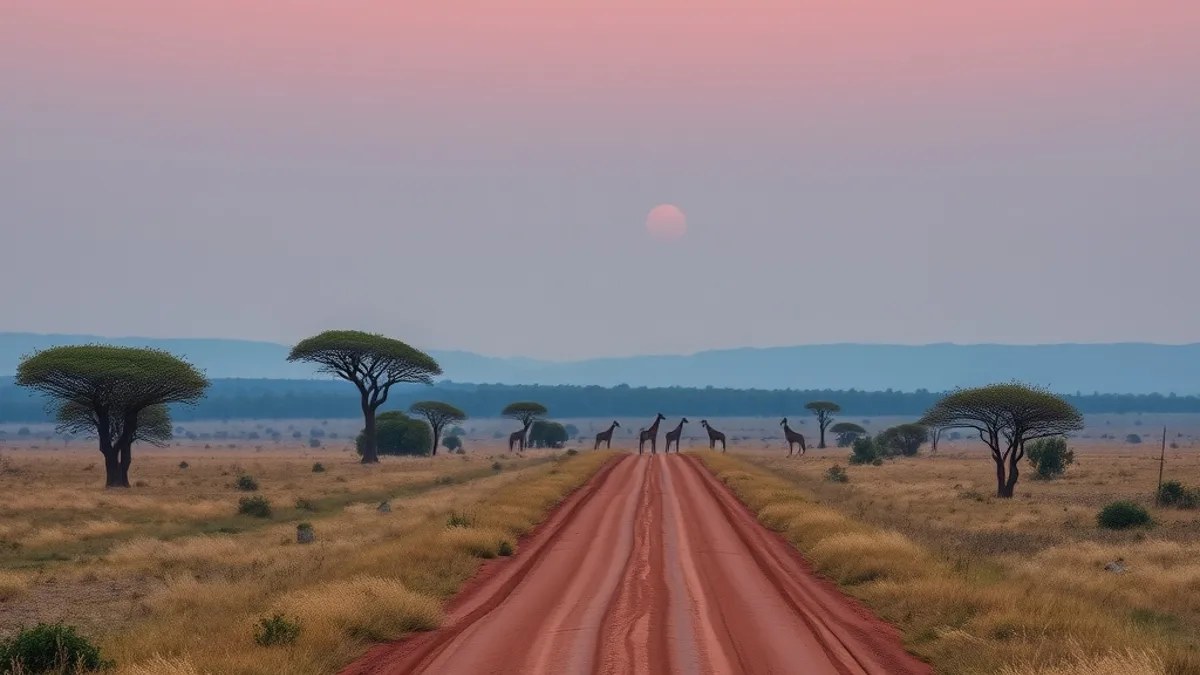
May to September is the dry season, and it’s when wildlife viewing is at its best. Vegetation thins out, water becomes scarce, and animals gather at waterholes and rivers, making them far easier to spot. The trade-off is demand: this is peak season, so lodge rates sit at the top of the range and popular units book out early.
October to April is the green season. Rates drop, the bush turns lush, and this is when newborn animals appear and migrant birdlife arrives. The downsides are heat and afternoon thunderstorms, which can make some sightings harder because thick vegetation gives animals plenty of cover.
If you want a middle path, the shoulder months of May and October balance decent sightings with softer prices. Here’s how the trade-offs break down:
- Dry season mornings are cold. June to August can start near freezing on open game drives, so pack a beanie and layers even though midday warms up nicely.
- Green season is prime for birders. Migrant species arrive between October and April, so if birds matter more to you than big cats, the cheaper months may actually suit you better.
- Shoulder months mean shorter days but easier bookings. In May and October you’ll often find availability at lodges that are full during the July peak, giving you more choice at a lower rate.
- Afternoon storms pass quickly. Green-season thunderstorms usually blow through within an hour or two, so plan game drives for early morning and late afternoon rather than midday.
Booking Timing and Rates
If your heart is set on a dry-season trip, start looking early. Budget units near popular gates such as Phalaborwa, Orpen and Crocodile Bridge tend to sell out first for June to August stays, so booking 3-6 months ahead gives you the widest choice at the friendliest prices. Leave it late and you will often be left with the pricier units or dates far from the gate you wanted.
As a rule of thumb, expect R900-R2,500 per night for two people. Where your stay falls in that range depends largely on how you want to eat and how popular your dates are. Self-catering units with a kitchenette and braai area are usually the cheapest way in, while full-board options with meals included sit toward the top end.
How to pay less
Green-season dates from October to April, and midweek nights in any season, often drop toward the lower end of that range. If your schedule is flexible, shifting your stay by even a couple of days can make a noticeable difference. Always check current rates directly with the lodge or booking platform, since prices move with demand and seasonal changes.
Getting There and Around
Reaching Kruger is straightforward, and for most travelers that means a road trip. Main gates like Phalaborwa and Orpen are typically a 4-6 hour drive from Johannesburg, and having your own vehicle once inside the park is a genuine advantage for game viewing. You set your own schedule, stop whenever a sighting looks promising and avoid paying for guided drives you don’t need. Here is how to plan the journey.
- Choose your gate first. Your accommodation should decide your route, not the other way around. Pick the gate area where your lodge sits, then aim for that specific entrance rather than the park in general.
- Plan a full day of driving. The trip from Johannesburg to gates like Phalaborwa or Orpen usually takes 4-6 hours, so leave early, factor in a rest stop, and aim to arrive before the gate’s closing time. Check current gate hours before you travel.
- Decide on your vehicle. A regular sedan handles the paved main roads in the park without trouble. A higher vehicle helps on gravel loops and gives you a better sightline over the grass, which can genuinely improve your sightings.
- Stock up before you enter. Do your food and fuel shopping in gateway towns before crossing the gate. Park shops are limited and pricier, and a forgotten item can mean a long drive back out.
- Fill the tank at every opportunity. Fuel stations inside the park exist but are spread out. Topping up whenever you can keeps you from planning your day around a fuel stop.
Once you are settled at your lodge, resist the urge to roam. The park is enormous — driving from one end to the other can swallow most of a day — so cross-park day trips eat hours of road time. Staying based at one gate area lets you spend your time watching animals instead of watching the road.
A few final road-trip tips: download offline maps before you leave, since signal inside the park is patchy at best. Pack water, snacks and a sun hat for the drive, and double-check that your rental agreement allows driving on gravel roads if you plan to explore the quieter loops. Arriving with time to spare means you can fit in a first short drive before dark.
Wildlife Viewing on a Budget
The good news about a Kruger safari is that the animals do not care how much you paid for your bed. Self-drive game viewing from your own car or a rental costs far less than lodge-run guided drives, and the park’s road network makes it easy to explore at your own pace. With a bit of planning, a modest budget goes a long way.
Learn from the experts once, then go solo
If your budget allows one splurge, book a single paid guided drive, either through your lodge or an operator near the gate. A good guide teaches you spotting skills you can reuse on every self-drive afterward: how to scan for shapes in the grass, read alarm calls, and interpret the behavior of other vehicles stopped along the road. One guided outing can sharpen your whole trip.
Timing your drives
Plan to be on the road at dawn and again in the late afternoon, when animals are most active and the light is at its best. Gates open early, and the first hour or two after opening is often the most productive. Midday heat sends much of the wildlife into the shade, so use that time at rest-camp waterhole hides, where animals come to you while you relax in the shade with lunch. Check current gate opening and closing times before your trip, as they shift with the seasons.
Wrapping Up Your Kruger Budget Stay
If you’ve been putting off a Kruger safari because you assumed a low nightly rate meant rough rooms, bad locations or missed sightings, the opposite tends to be true. Budget lodges in the R900-R2,500 range deliver simple, comfortable bases with self-catering facilities and good gate access. You get a clean en-suite room, a place to cook, and a location that puts you on park roads quickly, without paying for extras you don’t need.
The formula that works is straightforward: dry-season trips from May to September booked 3-6 months ahead give the best sightings-to-price balance, and self-drive viewing from a well-chosen gate-area lodge keeps the safari experience affordable. That’s how many travelers see the Big Five without a luxury price tag. Have you spent a few nights at one of these affordable safari bases, or do you have questions about planning your own trip? Leave a comment below or share this article with a fellow traveler.