Planning your first trip to the Lake District can feel overwhelming. There are dozens of villages, valleys and lakes to choose from, and picking the wrong base can mean spending half your holiday in the car. With so many lake District lodges on offer, from cozy cabins to lakeside retreats, first-timers often struggle to know which area and which type of place actually suits their trip.
That’s where this guide comes in. We’ll walk through why lodges work so well for first-time visitors, compare the best areas to base yourself, and help you match the right lodge type to your travel style. You’ll also find practical advice on when to book, what lodges typically cost, how to spot a quality property before you pay, and how to get around once you’ve settled in. By the end, you’ll be able to choose a base with confidence and spend your days exploring the lakes instead of second-guessing your booking.
Why Lake District Lodges Suit First-Time Visitors
Lodges solve two problems that catch out many first-time visitors: space and parking. Unlike a small hotel room, a lodge gives you a kitchen, a living area and usually your own parking space right outside. That matters more than you might think, because many Lake District villages have limited facilities, and a handful of pubs and one small shop can get stretched thin in busy periods. Being able to cook breakfast, store snacks and keep the car nearby makes a first trip far more relaxed.
Views and quiet without the town-center price
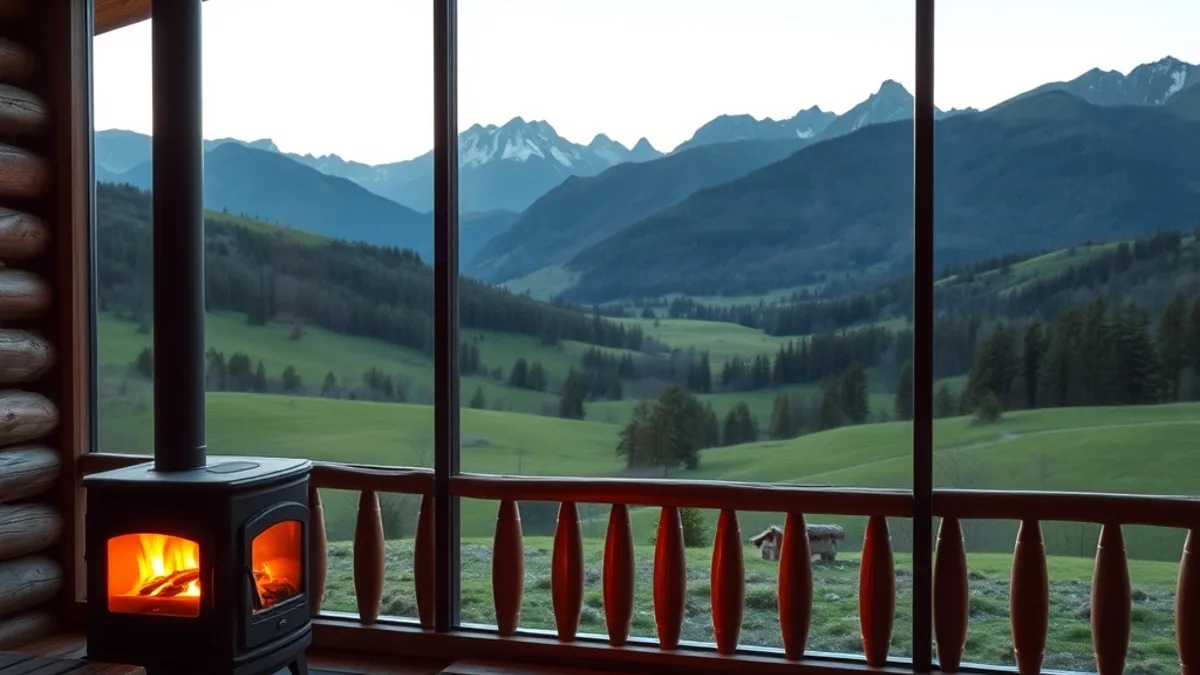
Many lodges sit just outside the busiest towns, which means you often get lake or fell views straight from your deck or window. You trade the convenience of stepping out into a town center for quieter evenings and better scenery, and for most first-timers that trade works in their favor.
A lodge base also suits the way most first trips actually unfold. You will probably mix short, gentle walks with driving between viewpoints, boat trips and villages, and a lodge gives you a comfortable, flexible home to return to each evening. There is no fixed dinner seating or checkout pressure, just space to plan the next day at your own pace.
Best Areas to Base Yourself in the Lake District
Where you base yourself shapes your whole trip, so it pays to match the area to what you actually want to do rather than picking the first lodge that catches your eye. Windermere and Bowness are the classic first-timer choice because you can walk to shops, restaurants and boat trips without moving the car once you have parked. Keswick, meanwhile, puts you closer to Derwentwater and the northern fells, including Skiddaw, though it sits around 20-40 minutes’ drive from the southern lakes, so plan your daily routes around that distance.
Ambleside and Grasmere sit almost centrally, which makes them ideal if you want to combine shorter walks like Wansfell with easy drives toward Ullswater and the eastern side of the national park. Coniston and the quieter western valleys are genuinely lovely, but they reward return visitors more than first-timers who still need easy access to amenities, fuel and a decent choice of places to eat after a long day on the fells.
- Windermere and Bowness: the train station at Windermere makes this one of the few bases you can reach without driving at all, handy if you would rather not tackle narrow rural roads on your first visit.
- Keswick: the town has its own lakeside theater and a compact pedestrian center, so evenings feel lively even outside the summer months, with plenty of outdoor shops if you need to replace lost gloves or buy a map.
- Ambleside and Grasmere: Grasmere’s famous gingerbread shop and Wordsworth connections give you easy sightseeing on rest days between walks, and both villages sit within a short drive of several popular trailheads.
- Coniston and the western valleys: these areas see noticeably fewer coach tours, which means quieter footpaths and a slower pace, if you are willing to drive further for shops, restaurants and other practicalities.
Choosing the Right Lodge Type for Your Trip
Lodges come in enough shapes and sizes that picking the right one matters as much as picking the right area. Couples often gravitate toward one-bedroom timber lodges with hot tubs, which are widely available near Windermere and make a genuinely romantic base. These smaller units tend to book up fastest for summer stays, so if a private tub is the whole point of your trip, treat it as your first priority rather than an afterthought. Families should look instead for two or three-bedroom lodges with full kitchens and on-site parking, so you can cook easy dinners after a long day on the fells and unload the car without circling for a space.
If you are traveling with a dog, you are in luck: dog-friendly lodges cluster around Grasmere and Coniston, and many welcome pets without fuss. Just confirm the pet policy before booking, because some lodges charge extra per pet, restrict dogs to certain units, or ask that they stay off the furniture. Also budget for the extras, since hot tub and lake-view lodges carry a premium, often £30-£70 per night above standard units. That premium can be worth it in May or September, when you can actually sit outside and enjoy the view.
- Check sleeping arrangements carefully: some family lodges use a sofa bed in the living area as the third or fourth bed, which works for kids but less well for adults.
- Ask about decking and outdoor space: a lodge with its own deck or patio gives you somewhere to sit with a drink while the scenery does the work.
- Confirm what “full kitchen” means: most family lodges include an oven and full-size fridge, but a few budget units only offer a hob and microwave, which changes how you cook.
- Book a hot tub unit early: the tubs are often drained and refilled on a rotation, so ask whether yours will be ready on your arrival day rather than midweek.
When to Book and What Lake District Lodges Cost
Timing matters more in the Lake District than in many UK destinations, because lodge availability is limited and summer demand is fierce. For a June to August stay, aim to reserve your lodge 3-6 months ahead. In winter, booking 1-2 months in advance is usually enough, though popular hot tub lodges can still fill up around holidays.
Prices swing noticeably with the seasons. Off-peak, expect roughly £90-£150 per night for a standard lodge. In peak season, the same lodge typically runs £150-£300 per night. Larger units with lake views or hot tubs sit at the top of those ranges, so know your budget before you start browsing.
The sweet spot: May and September
If your dates are flexible, May and September offer the best balance for first-timers. The weather is often milder than you might expect, rates drop below peak levels, and the crowds around Bowness and Derwentwater thin out considerably. You get the same scenery and most of the same boat trips and facilities without peak-season prices.
Finally, read the small print on minimum stays. Many lodges enforce a 2-3 night minimum on weekends and during school holidays, which can rule out a quick one-night stop. If you only have a short window, midweek stays outside school breaks are usually the easiest to book.
How to Spot a Quality Lodge Before You Pay
Lodge photos can flatter, and star ratings only tell you so much. The real test of a Lake District lodge is how it performs in February drizzle, how well it was cleaned before you arrived and whether the heating actually keeps up on a wet evening. That is why digging into reviews before you pay is one of the most useful habits you can build as a first-time lodge booker. Reviews written by people who stayed in the same unit, in the same season, reveal the practical details no listing photo ever will.
Focus on recent reviews rather than the overall score, since management and standards can change quickly. Look for mentions of heating and insulation, because some timber lodges get cold and damp in winter, and a lovely summer review will not warn you about that. If a listing advertises a hot tub, check whether guests comment on its cleanliness and how often it is drained and refilled. Reviews that mention damp smells, slow repairs or thin walls are worth taking seriously, even if the overall rating looks good.
Details to confirm before booking
- Exact location: Pin the lodge on a map yourself. Some places marketed as “Windermere” lodges actually sit well outside the town, which changes your evening plans if you hoped to walk to the water or to dinner after a day on the fells.
- Parking: Look for listings that state how many spaces you get and whether they are level and directly outside, which matters when unloading bags, walking gear and dog equipment in the rain.
- WiFi speed: If you need to stream films or work during your stay, check whether the listing gives a real speed figure rather than just saying “WiFi available”. Rural connections can be patchy, so a specific number is a good sign.
- Bedding and towels: Some self-catering lodges charge extra for linen, so confirm both are included before you compare prices between properties.
One last step: compare the total price, not the nightly rate. Cleaning fees, extra-guest charges and linen hire can add a surprising amount to a short stay, and they can turn a bargain-looking lodge into an average deal once everything is included. Most booking platforms show a breakdown before you pay, so scroll past the headline rate and read it carefully. Doing this for three or four lodges side by side usually makes the genuine value obvious within minutes.
Getting Around from Your Lodge Base
Once your lodge is booked, think about how you will actually move around the lakes. Driving gives you the most flexibility for a first trip, letting you combine a morning walk with an afternoon boat trip on a different lake. The trade-off is traffic: the narrow lanes around Ambleside and Grasmere slow to a crawl on busy summer days, so build in extra time and avoid setting out at peak mid-morning hours.
If you would rather not drive everywhere, the bus network is better than many first-timers expect. The 555 and 599 routes link Windermere, Grasmere and Keswick, and staying near a stop means you can leave the car parked at the lodge for days at a time.
Choosing a base that keeps travel short
- Stay close to the water: Pick a lodge within about 15 minutes’ drive of a lake shore so your day goes into boat trips and walks rather than winding lanes.
- Cluster your days by area: Plan northern days around Keswick and Derwentwater and southern days around Windermere, instead of crossing the whole park twice in one day.
- Check your stop before booking: If buses matter to you, look at the actual stop location on a map, since some lodges sit up quiet lanes a walk away from the nearest route.
Get this right and your lodge becomes a genuine base rather than just a bed. Most first-timers find that a well-placed lodge means shorter drives, easier evenings out and more time actually on the lakes.
Your First Lake District Lodge Stay, Wrapped Up
Choosing where to stay in the Lake District can feel overwhelming when every valley looks tempting and every lodge promises the same views. The good news is that first-timers don’t need to overthink it. Windermere, Keswick and Ambleside are the safest bases, each giving you shops, walks and lake access without long drives.
Once you’ve picked your area, match the lodge type to your group, whether that’s a one-bedroom retreat for two or a family-sized unit with a full kitchen. Book 3-6 months ahead for summer, with rates typically running from £90-£300 per night depending on the season. Before paying, check recent reviews, confirm the exact location on a map and compare the total price including fees. If this guide helped you plan your trip, leave a comment or share it with a fellow traveler.