Glamping in Morocco is a dream for many travelers: sleeping under Sahara stars, waking up to dunes or mountain views, all with a real bed and hot dinner included. But pick the wrong month and you could be sweating through a 40°C afternoon or shivering through a freezing night, all while paying peak-season prices for the privilege. Timing is everything, and it is also where most people either save or waste money.
This guide breaks down exactly which months offer the best weather and the lowest prices, so you do not burn cash on a trip booked at the wrong time. We will look at why timing matters, the best seasons for comfort, what camps actually cost by season, and where to go, from desert dunes to mountains and coast. You will also find booking strategies to save money and practical tips for your stay. By the end, you will know which window fits your budget and your idea of a good night’s sleep.
Why Timing Matters for Glamping in Morocco
Morocco packs three very different climates into one country. The Sahara, the Atlas Mountains and the Atlantic coast each follow their own weather patterns, so the same month can be perfect in one region and unbearable in another. January can be glorious on the coast, genuinely cold in the desert at night, and snowy in the high Atlas. That is why “when to go” cannot be answered with a single month for the whole country.
Money is the second reason timing matters. Desert camp rates swing widely between high season and summer lows, often by 30–50%. Travelers who lock in a peak-season date without comparing months can easily pay double what the same tent costs in a quieter window.
Comfort, crowds and budget
Choosing the right window affects three things at once: your comfort, how many people you share the dunes with, and how far your budget stretches. A well-timed trip means mild days, quiet camps and money left over for extras like camel rides or an extra night. A badly timed one means fighting heat or cold, crowds at sunset, and rates that eat your budget before you have even paid for transfers. The sections below help you match your dates to the region and the price you want.
Best Seasons for Glamping in Morocco
The prime window for desert glamping runs from October to April. During these months, desert days stay mild at around 20–25°C, and nights turn crisp enough that a campfire becomes the best seat in the house. This is when Sahara camps feel their most magical: clear skies, cool air and long evenings around the fire.
There is a catch, though. Winter is real winter in the desert. Between December and February, Sahara nights can drop below 5°C, which surprises travelers who packed for “Africa in winter.” If you are planning a cold-season trip, warm layers matter more than swimwear. If you enjoy the idea of cool nights and dramatic skies, you might also like a look at these fire-lit winter escapes above Budapest for a different take on the same atmosphere.
The seasons at a glance
- October to April: prime time, with mild days and campfire nights; expect the highest rates and the most competition for the best tents, so book early.
- December to February: the coldest nights, often below 5°C in the Sahara; ask your camp about heating, extra blankets and insulated tents before you book.
- May and September: shoulder months with warm days, fewer crowds and softer prices; the best balance of weather and value if your dates are flexible.
- June to August: best avoided for desert camps, as daytime heat pushes above 40°C; coastal sites near Essaouira and Agadir and Atlas Mountain camps stay comfortable through summer.
If you can only travel in summer, shift your plans to the coast or the mountains rather than the dunes. If you want the classic Sahara experience at a fair price, aim for the shoulder months or the edges of peak season, when the weather is still good but the crowds have thinned.
What Glamping in Morocco Costs by Season
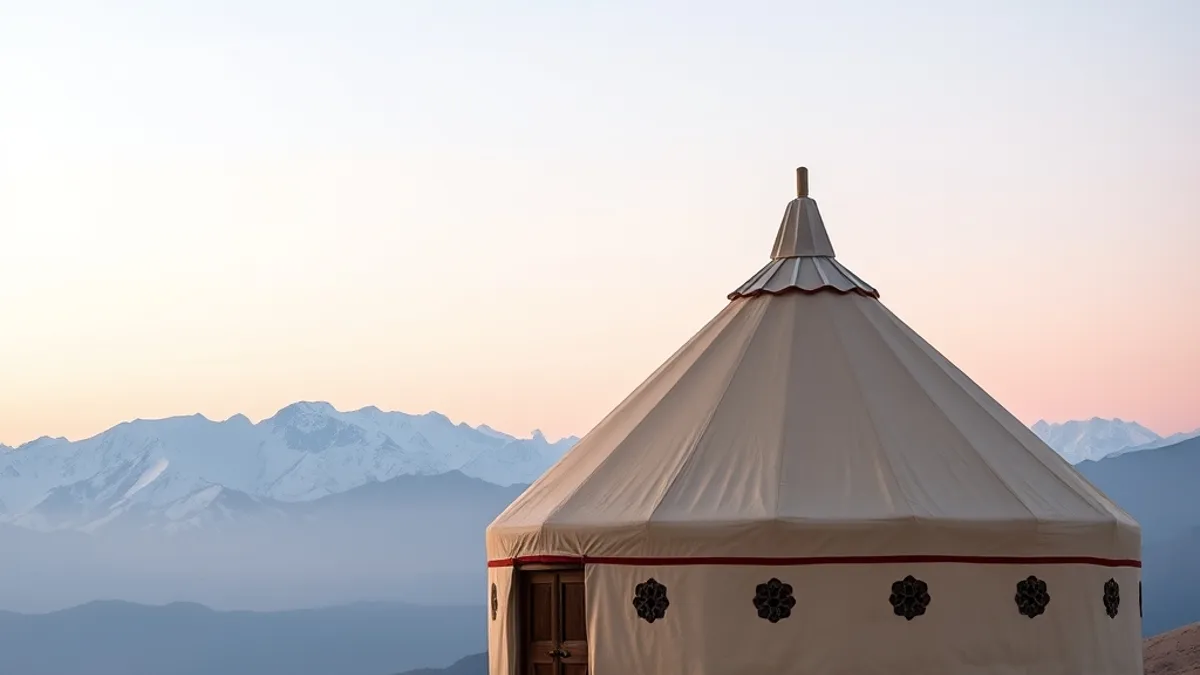
Glamping in Morocco is affordable compared with luxury lodges elsewhere, but prices vary a lot by season and comfort level. Standard desert camps typically run roughly $80–$250 per night, and that rate usually includes dinner and breakfast. Since meals are bundled in, your real daily cost in a remote area is often lower than the nightly rate suggests, because there are few other places to eat anyway.
Standard vs luxury camps
Luxury camps are a different category. With private bathrooms, proper suites and often better locations deep in the dunes, they range from roughly $150–$400 per night in peak months. The jump from standard to luxury buys you space, en-suite facilities and quieter surroundings, not necessarily a better view of the stars.
How to pay less
Shoulder-season stays in May and September can cut 20–30% off peak rates, which makes them the sweet spot for budget travelers who still want decent weather. Midweek dates help too, especially outside school holidays.
Location also moves the price. Atlas Mountain and coastal glamping tends to cost less than remote Sahara camps, mainly because they are easier to reach. Shorter transfers mean lower logistics costs for the camp, and those savings show up in the nightly rate. If your budget is tight, a mountain or coastal camp paired with one splurge night in the desert is a good compromise.
Where to Go: Desert, Mountains and Coast
Most travelers picture the Sahara when they think of glamping in Morocco, and for good reason. The classic choice is Merzouga, sitting at the edge of the Erg Chebbi dunes, where you can watch the sand shift color from gold to deep orange as the sun goes down. After dark, the lack of light pollution turns the sky into a planetarium, and many camps set up blankets and drums around the fire. It is the full desert experience, but it takes commitment to reach, so plan your route carefully.
If you want the dune-and-tent atmosphere without the long journey, the Agafay Desert is a smart alternative. It sits under an hour from Marrakech, so you can leave the city after breakfast and be settled in camp by lunchtime. The landscape is stony rather than sandy, but the sunsets and stargazing are still excellent, and the shorter transfer usually keeps costs down. It also works well if you only have one night to spare, since you avoid losing two full days to driving.
Each region shines in a different season, so match your destination to your dates before you book. Here is how the three main options compare:
- Merzouga and Erg Chebbi: The drive from Marrakech covers roughly 560 km and takes about 8–9 hours by car, so most travelers split the journey with an overnight stop in a town like Ouarzazate or Tinghir along the way.
- Agafay Desert: Because of its proximity to Marrakech, it works well for short trips and one-night stays, and many camps here offer pickup directly from the city or the airport.
- Atlas Mountains: Valleys bloom in spring and temperatures stay moderate through summer, making villages like those in the Ourika and Aït Bouguemez valleys comfortable when the lowlands swelter.
- Coast near Essaouira and Agadir: These spots are the answer for summer glamping, since ocean breezes keep things pleasant while inland areas overheat, and you can combine your stay with surfing or beach time.
How to Book Smart and Save
Glamping prices in Morocco vary more between operators than most travelers expect, and the difference often comes down to timing and what is bundled into the rate. Two camps with nearly identical tents can charge very different amounts once transfers, meals and activities are factored in. A little planning goes a long way, especially for peak-season trips. Follow these steps to get the best deal without cutting corners on comfort:
- Book 2–3 months ahead for October–April trips. The best desert camps fill up early for peak season, and reserving in advance secures both lower rates and your pick of tents, rather than whatever is left.
- Compare exactly what is included. Many camps bundle transport from Marrakech, dinner, breakfast and camel rides into one price, while others charge for each separately. A camp that looks cheaper online can end up costing more once you add transfers and meals.
- Target shoulder months and midweek dates. Staying in May or September, or choosing Sunday-to-Thursday nights instead of weekends, lowers prices noticeably while the weather stays pleasant.
- Confirm heating or extra blankets for winter stays. From December to February, overnight temperatures in the Sahara can fall close to freezing, and some budget camps offer little more than thick blankets. Ask before you book if you are sensitive to the cold.
It also pays to message camps directly before paying a deposit. Small operators often respond quickly and can clarify inclusions, transport options and tent types in a single exchange. Ask for a written breakdown of the total price, including any surcharges for heating, private bathrooms or drumming performances around the fire. Once you know what you are actually paying for, comparing rates becomes much easier, and you will rarely feel misled at check-in.
Practical Tips for Your Moroccan Glamping Trip
A desert camp is wonderfully simple, but that simplicity means a little preparation goes a long way. The biggest surprise for most first-time visitors is not the heat, it is the cold. Once the sun sets, temperatures drop fast, and winter nights can feel genuinely icy even after a warm afternoon. Packing with that swing in mind makes the difference between a magical evening under the stars and a shivery one huddled indoors.
Getting there also takes longer than the map suggests. Distances in Morocco look manageable on paper, but mountain passes, winding roads and small towns slow the drive down considerably. The journey from Marrakech to Merzouga spans roughly 560 km, which is why most travelers split it with an overnight stop in a town along the route rather than arriving at camp exhausted. Build realistic breaks into your plan instead of trying to push through in a single day. Before you set off, run through this checklist:
- Layers, not one warm jacket: Pack t-shirts for the day plus a fleece, warm socks and a hat for evening. A single heavy coat will not cover a big daily temperature swing as comfortably as several layers you can add or shed.
- An overnight stop for long transfers: Breaking up the drive to the dunes keeps everyone fresh and lets you see more of the country on the way.
- Cash in dirhams: Remote camps rarely accept cards, and you will want small notes for tips to drivers, camp staff and local guides, plus souvenirs in nearby villages.
- Desert essentials: Strong sunscreen, sunglasses and lip balm protect against relentless sun, while a headlamp is invaluable once camp lights go down and the stargazing begins.
- A reusable water bottle: Refill at camp rather than buying plastic bottles along the way, and sip constantly even when you do not feel thirsty in the dry air.
Wrapping Up Your Glamping in Morocco Plan
So, when should you go glamping in Morocco? If comfort is your priority, aim for October to April, when desert days are mild and nights are cool enough for a campfire. If stretching your budget matters more, the shoulder months of May and September offer the best value, often with lower rates and fewer crowds than the peak season.
On price, expect roughly $80–$250 per night for a standard desert camp, with luxury options reaching up to $400 in the busiest months. Whatever season you choose, book 2–3 months ahead and match your region to the time of year. Do that, and your money goes further without any nasty surprises. Have you been glamping in Morocco, or are you planning a trip? Share your questions or tips in the comments, or pass this article along to a fellow traveler.